
Finding Hope in Holistic Dementia Care


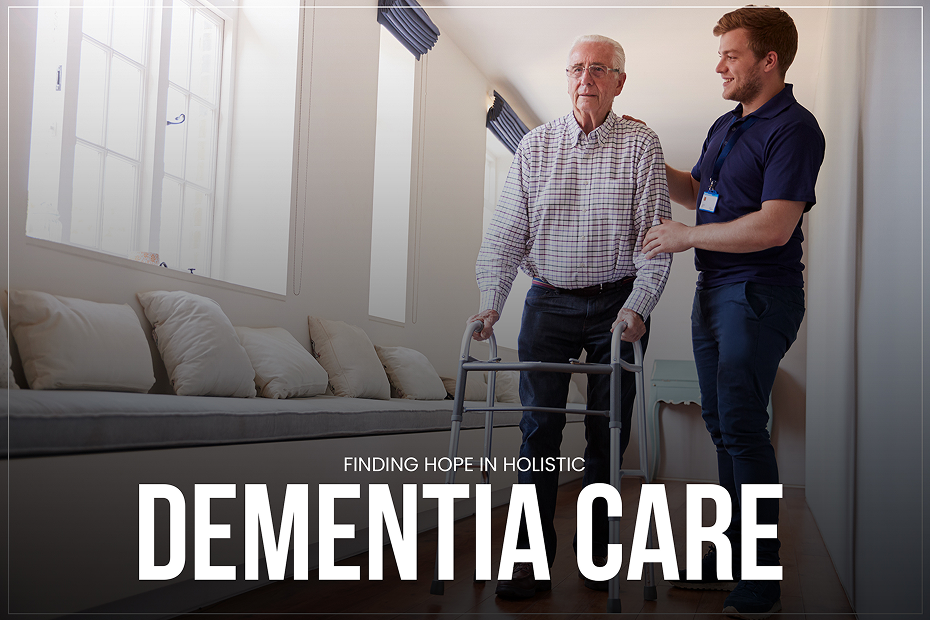
There comes a moment in every caregiver’s journey when you realize that dementia care cannot be defined by medication or medical appointments alone. It is something deeper, something profoundly human. When my father’s dementia entered its moderate stage, I found myself standing at that crossroads, between science and soul, between treatment and care.
Baba’s world had begun to change. His once steady steps now hesitated. His conversations, once eloquent and full of humor, had become fragmented whispers of his old self. It was during this phase that we found solace and guidance through ARDSI Calcutta (Alzheimer’s and Related Disorders Society of India) , an organization that would come to redefine what “care” truly meant for us.
A Place of Warmth and Dignity
Walking into ARDSI’s dementia care center for the first time felt like entering a space where compassion lived and breathed. The caregivers greeted each person by name, not as a patient, but as an individual with a story still unfolding. The atmosphere was filled not with clinical formality, but with warmth, music playing softly, caregivers engaging elders in familiar songs, laughter rippling through the room
Baba, who had grown increasingly withdrawn at home, found a new rhythm there. Gentle routines gave him a sense of purpose. Whether it was a memory exercise, art therapy, or simply sitting in a circle of familiar faces, he began to reconnect in ways I hadn’t thought possible.
What struck me most was how the holistic care model treated every part of the person, mind, body, and spirit. The team didn’t just focus on his memory loss; they nurtured his dignity, his emotional well-being, and his identity. For the first time in months, I saw light return to his eyes.
The ARDSI Calcutta Model
Under the leadership of people like Nilanjana Maulik, ARDSI Calcutta has built an extraordinary framework that blends professional expertise with heartfelt humanity. Their approach to dementia care is rooted in community support, bridging families, medical professionals, therapists, and volunteers in a shared mission: to restore quality of life.
The holistic program includes cognitive stimulation, occupational therapy, music and art-based activities, and social interaction, but also provides support for caregivers. I learned that when the caregiver heals, the person with dementia heals too. The two journeys are intertwined, like threads in the same tapestry.
The center also conducted caregiver training sessions, safe spaces where we could share our struggles without judgment. There was immense relief in knowing that others understood the sleepless nights, the guilt, and the constant uncertainty. The message was clear: you are not alone.
The Heart of Holistic Care
Holistic care reminds us that dementia doesn’t define a person. It teaches us to look beyond the disease, to see the human being who still exists beneath the layers of memory loss. It’s in the way a familiar song brings a smile, the way touch reassures when words fail, the way gentle routines restore peace amidst confusion
In ARDSI’s care, I saw how the smallest acts could make the biggest difference, serving a cup of tea just the way he liked it, holding his hand during a walk, speaking softly even when he didn’t respond. These gestures of love became our language.
Science tells us that dementia has no cure. But compassion teaches us that healing is still possible , in laughter, in connection, and in the dignity we preserve. Holistic care is about creating moments of joy and belonging that outshine the darkness of decline.
Reflections
Looking back, ARDSI didn’t just care for my father; they cared for our family. They taught us how to honor his past while embracing his present. They reminded us that caregiving is not just a duty but a calling, one that demands patience, empathy, and grace.
Holistic care transformed how I viewed dementia. It’s not merely a medical condition; it’s a journey of adaptation, where love becomes the most powerful medicine of all.
In a world that often rushes to fix, holistic care slows us down to listen, to feel, to be present. It tells us that even when memory fades, connection endures.
To every caregiver walking this road, know this: you don’t have to travel it alone. There are communities like ARDSI, built on compassion and understanding, waiting to hold your hand as you hold theirs.
Because in the end, caregiving is not about remembering everything, it’s about never forgetting love.